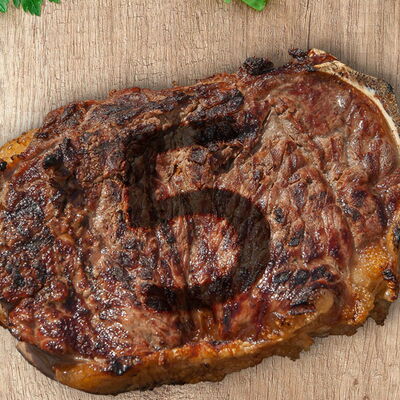
Meat-phobia is sweeping the country. Alarming headlines proclaim that meat, especially red meat, will kill us. How did a food we have eaten for millennia become so dangerous?
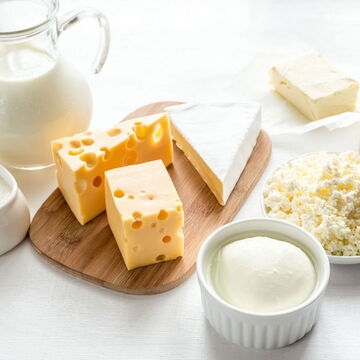
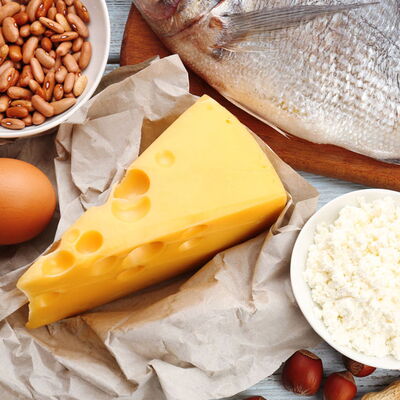
Isn’t it interesting how we are told that dairy products are vital to our health and well-being, yet we shouldn’t eat them in their natural, unprocessed form because that would be dangerous to our health?
A 20-question carbohydrate sensitivity quiz to help you discover whether you might have pre-diabetes or insulin resistance and what you can do about it.
The word fiber conjures up wholesome, earthy-crunchy images of squeaky clean intestines and free-flowing coronary arteries. Yet fiber is not a nutrient at all. What is fiber? Is it really healthy for us, and do we even need it?
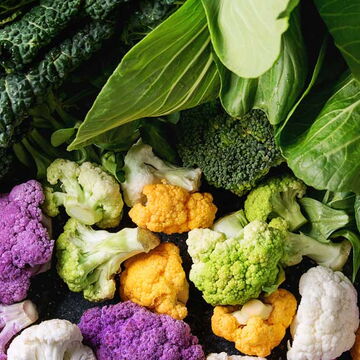
We are told vegetables are powerful and virtuous—they fight off cancer, sweep our colon clean, and strengthen our immune system. Yet vegetables don't want to be eaten any more than animals do, and they use chemical weapons to defend themselves.
We’re told to consume milk products for strong bones and healthy teeth, but common sense tells us that milk is designed to grow baby cows, not people. Have we outsmarted Mother Nature by hijacking this bovine beverage?
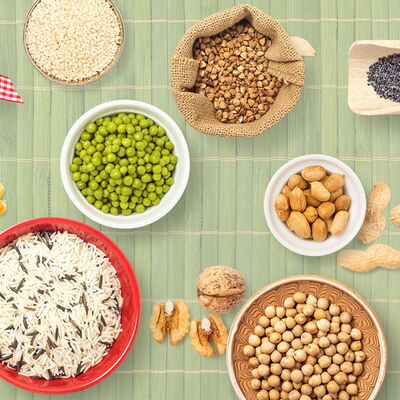
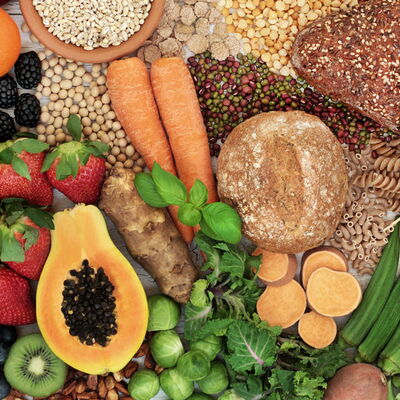
Rich in complex carbohydrates and fiber, plant proteins form the base of the food pyramid. But when ground into flour, it becomes unhealthy. Gluten intolerance, soy and peanut allergies are on the rise. What’s going on?
All animals must eat protein regularly to survive—proteins form enzymes, muscles, hormones, and other vital bodily components. How much protein do we need, and does it matter where we get it?
From the 1970s until very recently, we were told that all fats were bad. Now we know some are essential. Understand the different types of fats, which are essential, and which we should avoid.
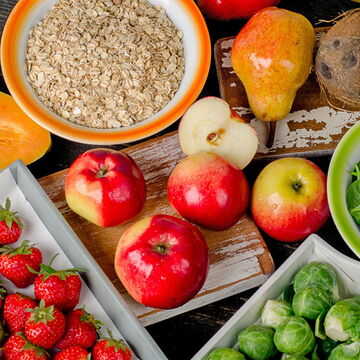
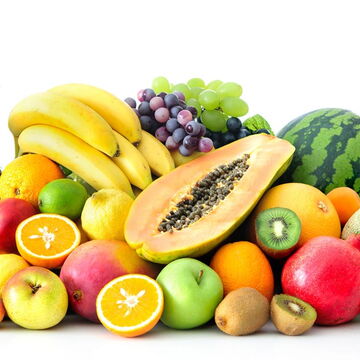
Naturally sweet, colorful, and delicious—fruits are the only parts of plants that are specifically designed to be eaten. What if you are carbohydrate-sensitive and need to avoid fruit? Don’t you need all those vitamins and antioxidants?
Meat has a bad reputation. Most people think of meat, especially red meat, as dangerously unhealthy. However, meat has unique properties that make it more nutritious, easier to digest, and less likely to irritate your body than vegetables.
Controversial carbohydrates! How can some carbohydrates be considered "good" and others considered "bad"? Doesn't our brain need daily carbohydrate for energy?
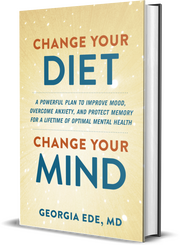
Combine the truth about brain food with the cutting-edge science of brain metabolism to achieve extraordinary emotional, cognitive, and physical health.